

At micron scales, tiny machine drift can silently erode yield during wafer test. This article shows how AI turns probe marks into real-time feedback, enabling autonomous prober realignment in milliseconds—preventing latent defects, improving uptime, and stabilizing yield as tolerances shrink.
By Ayaz Aslam | 27th Jan 2026
SixSense’s AI-ADC platform integrates with inspection and DMS systems to automate defect classification at production scale. Deployed across leading foundries and OSATs, it processes millions of inspection images annually. The platform is now expanding into real-time classification and fab-wide deviation control.
By Avni Agrawal | 22nd Jan 2026
Manufacturing downtime is becoming more costly and complex in the Industry 4.0 era. This blog explains how AI-driven root cause analysis helps manufacturers move beyond reactive troubleshooting to identify true causes across inspection, metrology, FDC, and test data. Learn how AI-powered RCA reduces downtime, improves yield, and strengthens overall operational performance.
By Vicknes Ratha Kishnan | 20th Jan 2026

Semiconductor manufacturing relies on defect detection, pattern recognition, and root cause analysis to manage yield. The challenge lies in retaining experience from past investigations as processes scale. This article explores how knowledge-driven systems support faster and more consistent yield improvement.
Benny Zhen-Peng BIAN12th Feb 2026
AI is reshaping semiconductor demand by shifting industry growth toward higher compute density, memory bandwidth, and system-level integration. AI workloads are driving larger chips, high-bandwidth memory, advanced packaging, and increased use of leading-edge manufacturing nodes. As a result, semiconductor value is concentrating around AI-optimized design, manufacturing, memory, and equipment ecosystems.
Prakriti Chaturvedi10th Feb 2026
India’s semiconductor journey began with early manufacturing ambition in the 1980s, evolved into global design leadership through the 1990s and 2000s, and gained strategic urgency as electronics demand surged. Learning from these phases, India is now rebuilding its semiconductor base around market-relevant manufacturing, packaging, and design integration. With policy alignment, ecosystem thinking, and global engagement, the country is shaping a sustainable role in the global semiconductor landscape.
Prakriti Chaturvedi3rd Feb 2026
The global semiconductor supply chain shifted from the U.S. to Asia to optimize scale, cost, and specialization, creating a deeply interconnected ecosystem. Today, AI-driven demand, supply chain vulnerabilities, and geopolitical risks are pushing the industry to rebalance manufacturing through initiatives like the U.S. CHIPS Act. This shift aims to strengthen resilience while keeping the semiconductor ecosystem global.
Prakriti Chaturvedi30th Jan 2026At micron scales, tiny machine drift can silently erode yield during wafer test. This article shows how AI turns probe marks into real-time feedback, enabling autonomous prober realignment in milliseconds—preventing latent defects, improving uptime, and stabilizing yield as tolerances shrink.
Ayaz Aslam27th Jan 2026SixSense’s AI-ADC platform integrates with inspection and DMS systems to automate defect classification at production scale. Deployed across leading foundries and OSATs, it processes millions of inspection images annually. The platform is now expanding into real-time classification and fab-wide deviation control.
Avni Agrawal22nd Jan 2026Manufacturing downtime is becoming more costly and complex in the Industry 4.0 era. This blog explains how AI-driven root cause analysis helps manufacturers move beyond reactive troubleshooting to identify true causes across inspection, metrology, FDC, and test data. Learn how AI-powered RCA reduces downtime, improves yield, and strengthens overall operational performance.
Vicknes Ratha Kishnan20th Jan 2026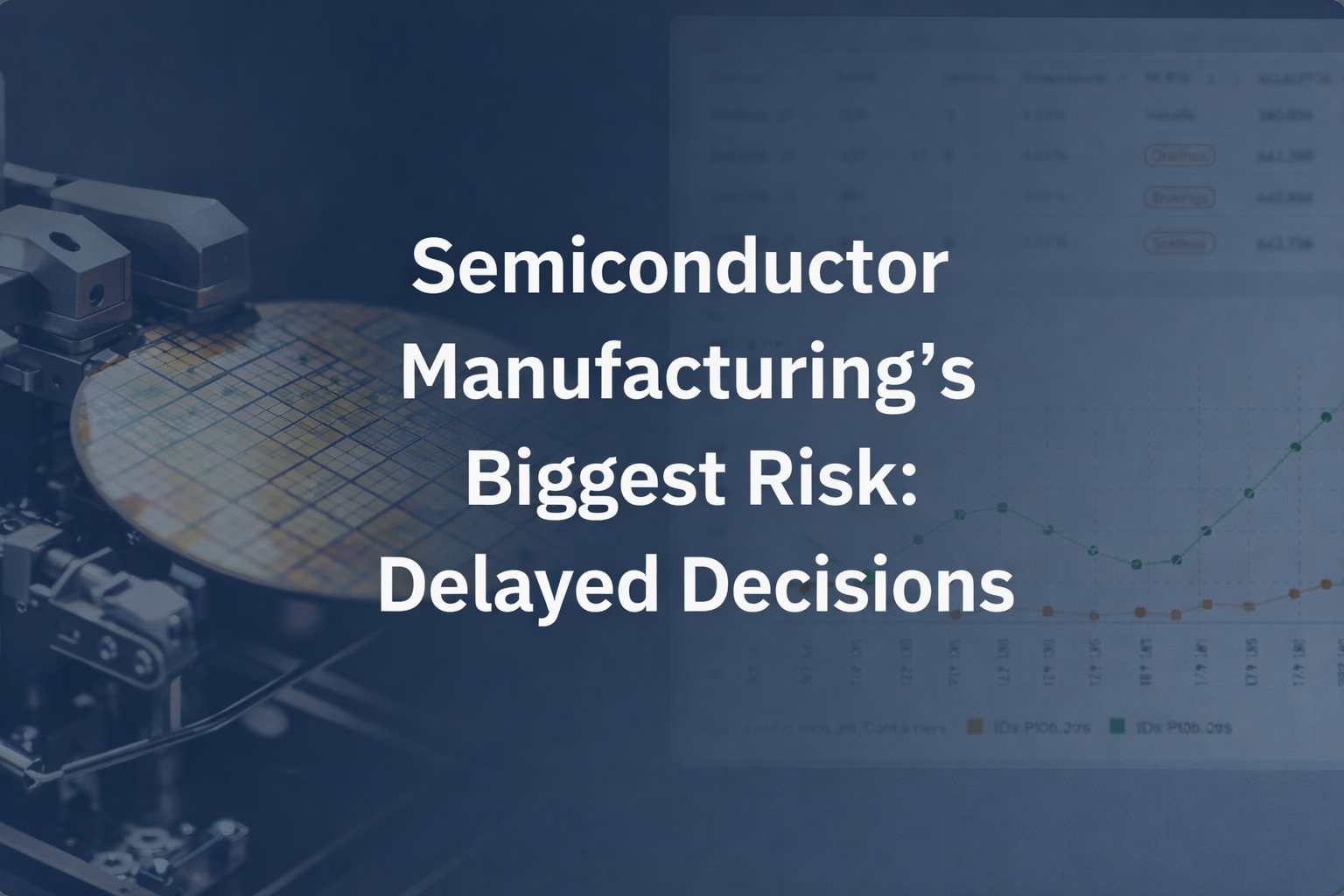
In modern semiconductor fabs, massive amounts of data are generated, yet slow and fragmented decision-making poses the greatest risk as small issues can combine into major yield losses. Traditional automation struggles to provide the context needed to catch these subtle problems early. By connecting and interpreting data intelligently, manufacturers can make faster, smarter decisions and prevent issues before they impact production.
Prakriti Chaturvedi13th Jan 2026
The semiconductor industry now requires real-time, scalable intelligence to manage growing complexity. Sixsense.ai transforms manufacturing data into actionable insights for early detection and proactive control. Trusted globally, it helps fabs and OSATs achieve more with less.
Vicknes Rath Krishnan12th Jan 2026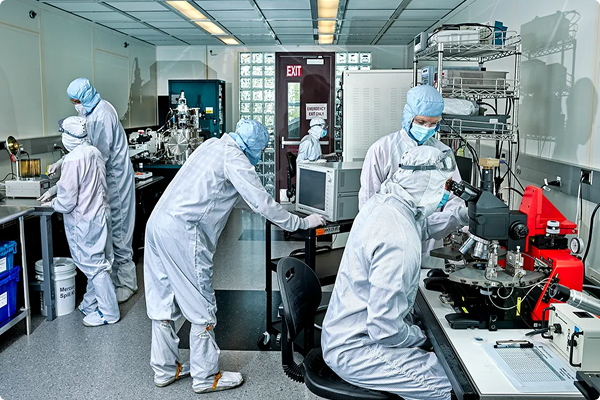
This blog explores how SixSense’s AI-powered defect classification system is transforming semiconductor manufacturing by automating visual inspection and error detection. It demonstrates how advanced AI analytics enhance yield, speed, and reliability—minimizing manual bottlenecks and driving smarter, scalable production.
Nilotpal Nayan5th Dec 2025